Disclosure: This post may contain affiliate links, meaning I get commission if you decide to make a purchase through my links, at no cost to you. Please read my Affiliate Disclosure for more information.
Good soil is the cornerstone of a healthy garden. Everything else is secondary.
You can have the best plants, perfect timing, expensive compost and shelves of fertiliser – but if the soil underneath isn’t in good heart, gardening will always feel like hard work. And if there aren’t worms around, things usually aren’t looking great.
I’ve been improving my soil for years using what I believed was the right approach. In the cutting garden, I followed a no-dig method inspired by Charles Dowding: clear the beds in autumn, add a generous layer of garden compost, and consider the job done until spring.
It certainly helped. Nutrients were added, structure improved, and compared with what I started with (a reclaimed agricultural field with shallow clay and a fondness for thistles and nettles) the soil is in a far better state. In fact, it’s probably healthier than much of the main garden.
Three questions. Two minutes. A flower list chosen for your actual garden, not some idealised one.
Let’s find your flowers.

And yet.
There were very few worms. Slugs fluctuated wildly year to year. And during heatwaves, some beds cracked open like miniature canyons, even with plants and mulch in place.
This year, I’ve shifted my focus. Less on adding more things, and more on creating the conditions that allow soil life to build itself.
What the Worms (and Slugs) Were Telling Me About Soil Health
Earthworms tend to appear when soil is doing several important things right. Their presence usually suggests:
- Plenty of organic matter – worms feed on decaying plant material
- Minimal disturbance – undug soil is easier for them to move through
- Balanced moisture – not waterlogged, not dust-dry
- Low chemical stress – pesticides and synthetic fertilisers reduce populations (I haven’t used these for years)
They aren’t the only indicator of healthy soil, but they’re a useful one. Soil health is really a combination of structure, drainage, smell (earthy is good), plant response – and whether you find more than one lonely wriggler when you’re planting.
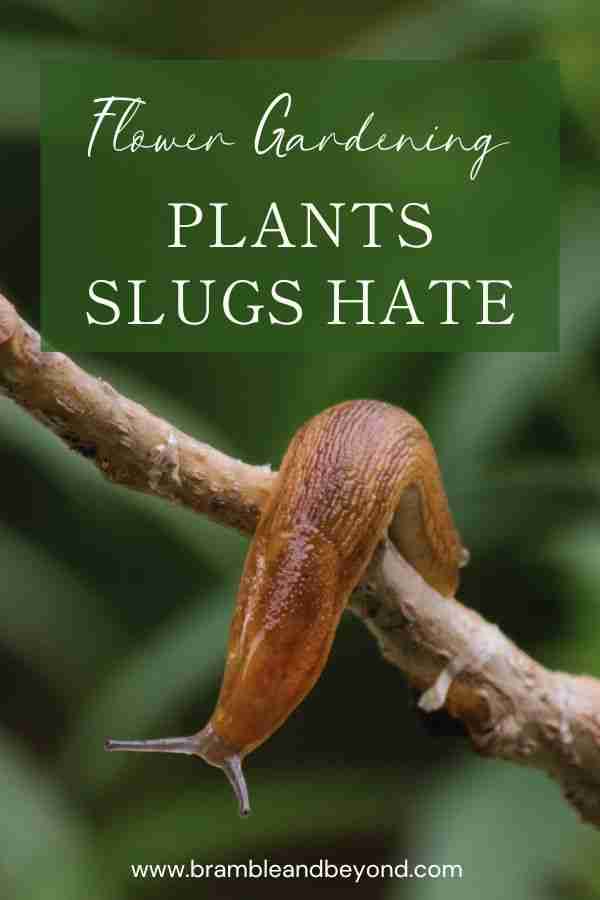
My problem wasn’t that I had no life in the soil – it was that I had very few worms and rather a lot of slugs.
Slugs, like worms, are drawn to moisture and organic matter. Mulches, compost and leaf litter will attract them whether the soil is healthy or not. In fact, slug-heavy gardens often have biologically active soil – just unfortunately also very edible plants.
A few useful distinctions helped me reframe this:
- Slugs are opportunists. They target soft, stressed or newly planted growth.
- Weather matters more than soil quality. Damp, mild conditions can trigger slug explosions even in excellent soil.
- Imbalance is key. Large populations often point to a lack of predators rather than poor soil. I have resident toads – I just think they’re outnumbered.
So while worms are generally a green flag for soil health, slugs are more of a context clue. They tell you about moisture, shelter and timing – not that your soil is fundamentally broken.
Instead of reacting each year with controls and countermeasures, I’ve decided to change the conditions they’re living in – particularly the structure and biology of the top layer of soil.
A Change in Focus: Undisturbed Soil, Living Roots, and Mulch
What’s become clearer to me is that healthy soil isn’t just about what you add – it’s about what you leave alone.
Current thinking around soil health points to a few key principles:
- Minimal disturbance preserves soil structure and fungal networks
- Living roots in the ground feed soil microbes for as long as possible
- Covered soil protects organisms from erosion and temperature extremes
- Microbial life drives nutrient availability far more effectively than fertiliser
In short, soil wants to be left intact, fed naturally, and kept covered.
Which is why the biggest shift I’ve made is this: I will be trying to always keep the soil covered with roots in the ground.
If you want plenty of flowers without turning gardening into a second job, The Flower Files might be just what you need.
Mulching as the Backbone: Compost, Strulch, and Chop-and-Drop
Mulching is now the backbone of my soil improvement approach, but it looks slightly different depending on where I’m working.
Chop-and-drop in the cutting garden
In the cutting garden, I’m using a full chop-and-drop approach. When plants finish, I cut them down where they stand (chopping to smallish pieces if required) and leave the material on the soil surface to break down naturally. I will also be leaving the roots in place to slowly decompose in situ without breaking the fungal networks.
This works particularly well here because appearance matters less, and the beds are intensively used. Leaving plant debris in place:
- keeps the soil covered through winter
- feeds worms and microbes at the surface
- maintains soil structure
- reduces weed pressure
- and saves both time, effort and compost (fingers crossed)
In spring, I will clear off anything that hasn’t fully broken down – partly to avoid creating a slug refuge – and then cover with about an inch of garden compost while plants are actively growing.
So far this debris has taken very little time to break down – we are talking weeks rather than months.
Mulching the main garden: Strulch now, compost later
In the main garden, mulching is more about practicality and plant structure.
Established perennials and shrubs make it difficult to apply barrow loads of compost, so for now I’m using Strulch as my primary mulch there. It’s easier to tuck in around plants, lasts longer than compost, and – at least in the short term – seems to deter slugs. It’s not a cure-all (perennial weeds, such as couch grass, will still come through but does seem to be easier to remove), but it keeps soil covered and protected.
This is not the end goal.
The longer-term aim is to be self-sufficient in mulch materials. If chop-and-drop reduces how much compost the cutting garden needs, that compost can gradually be redirected to the main garden instead. Over time, as the soil improves and organic matter builds, I’d like to move away from buying in mulch altogether.
Strulch, then, is a transitional tool rather than a permanent solution. Hopefully, helping me to reduce the weeds and the slugs in the process.
This is still a work in progress, and if something isn’t working, I’ll adjust from bed by bed.
Using Compost More Deliberately
I still value garden compost enormously – but I’m trying to use it more strategically.
By letting plants feed the soil where they grow (chop-and-drop), I’m hoping to stretch my compost further. However, this will also mean I have less variety and material going INTO the compost. This means paying closer attention to what goes into the heap: more woody prunings, straw and manure to balance kitchen scraps and grass clippings. Fortunately, I have good neighbours who can provide me with a good supply of straw and manure.
The aim isn’t to produce more compost at all costs, but to rely on it less by building soil that largely looks after itself.
The Point of All This
This new approach to improving my soil isn’t about perfection. It’s about doing less – but doing it at the right time.
Cover the soil. Disturb it less. Feed what lives in it. Stop rushing to tidy. Pay attention to what’s happening underground.
And accept that some solutions are stepping stones, not destinations.
I’ll report back – worms, slugs and all.
If you’d like to follow how this soil experiment unfolds – what works, what doesn’t, and what I change next – I’ll be sharing how this plays out in the garden in my newsletter. You can subscribe via The Flower Files. That’s where you’ll receive my ongoing garden notes and updates.
A quick aside: I built a little app for flower growers who want gentle reminders about what to do and when - without it turning into another thing to feel guilty about. It's called the Flower Grower Companion. You tell it your location and your flowers, it tells you what actually needs doing this week (and just as importantly, when there's nothing to do at all)
Have a look